
The Rundown
1. Make your plan and check those permits
2. Rain or shine – prepare for both
3. Hope for the best but prepare for the worst
4. Look out for mountain-specific hazards
5. Consider hiking with a buddy
6. Learn the etiquette of the trail
The bottom line: be safe and have fun
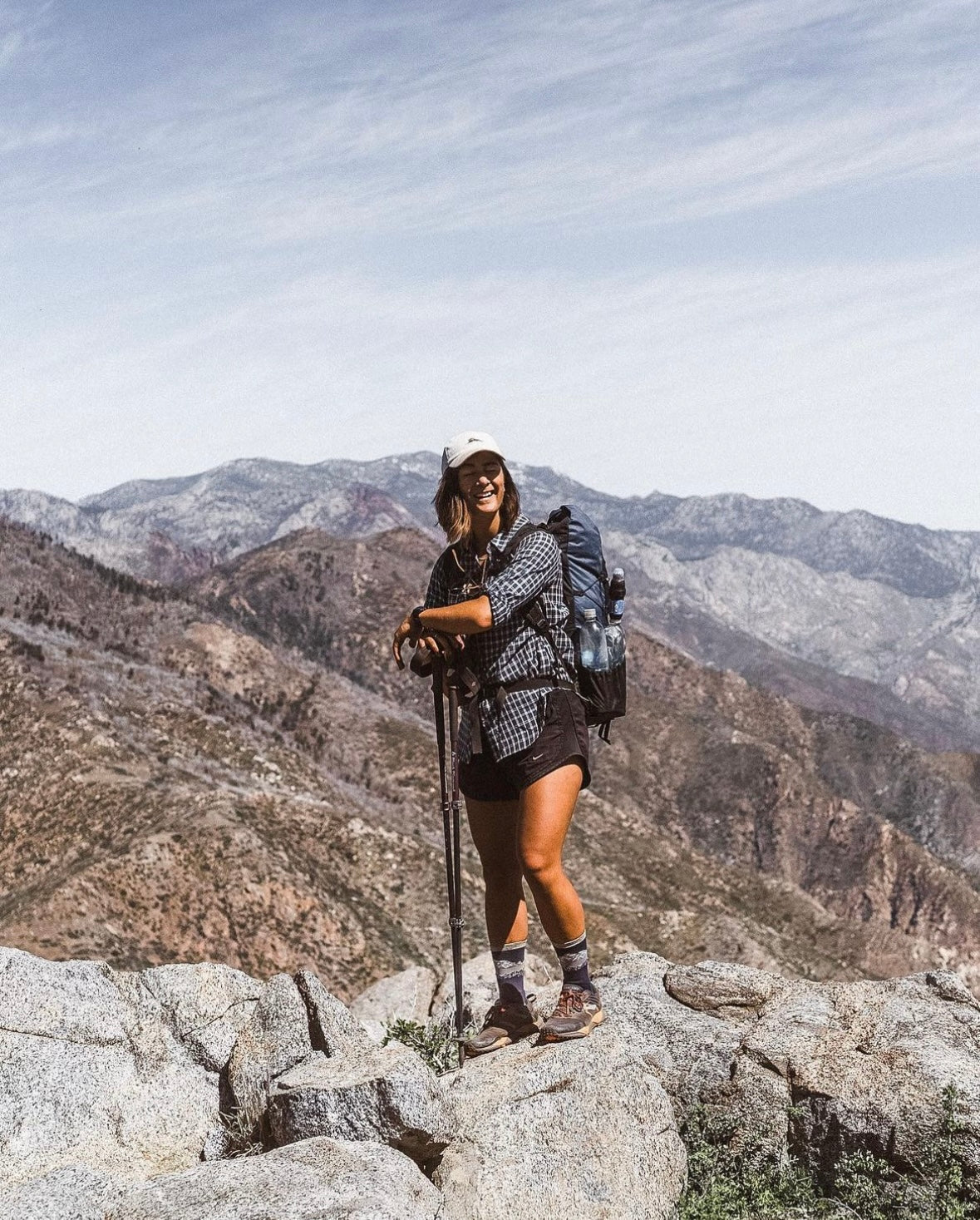
The Cascade Range in Washington State is a hiker's paradise, with stunning alpine landscapes and challenging trails. However, these mountainous terrains come with their own set of safety considerations. Before gearing up to tackle the trail, check out some tips from us at Wül to make sure you have a safe and easy time navigating the mountain trails.
1. Make your plan and check those permits
Research your trail thoroughly before heading out. The Cascade Range runs from British Columbia to California and is over 700 miles long and 80 miles wide. In short, it’s easy to get lost out there. Know your limits and understand the length of your trail, the elevation gain, and the difficulty. Additionally, check any recent trail reports or alerts to know what current conditions are looking like.
You will also want to check if your hike requires permits. Popular destinations like the Enchantments and certain wilderness areas have limited entry and require permits that you'll need to secure in advance.
2. Rain or shine – prepare for both
Always check the weather forecast before your hike. The mountains can experience rapid weather changes, and it's crucial to be prepared for unexpected shifts.
Once you’re out there, make sure to dress appropriately. Layer clothing to accommodate temperature variations. Even in summer, high elevations can be quite cool. If you have any merino wool clothing, be sure to bring it – even if it’s in the summer.
Merino wool’s dynamic breathability adapts as your body heats up and cools down during an activity. Part of this is due to wool’s natural moisture-wicking properties which have other benefits, such as reduced risk for blisters when wearing merino wool socks.
3. Hope for the best but prepare for the worst
Nature is beautiful but it can also be dangerous. Consider packing some of the following to ensure you have a safe and fun time outside.
-
Navigation Tools: Carry navigation tools like a map, compass, or GPS device. Mountain terrain can be confusing, and it's essential to know your route.
-
Emergency Communication: In areas with limited cell phone reception, consider carrying a personal locator beacon (PLB) or satellite messenger device for emergency communication.
-
First Aid Kit: Pack a well-stocked first aid kit to address any injuries or emergencies that may occur on the trail.
4. Look out for mountain-specific hazards
In winter and early spring, avalanche risk is a concern in the Cascades. Be aware of avalanche conditions and take precautions if hiking in areas with potential avalanche danger. Additionally, colder seasons may leave trails covered in snow and ice. Crampons, microspikes, or snowshoes may be necessary for safe hiking.
In certain areas of the Cascades, bears are present. Familiarize yourself with bear safety practices, including carrying bear spray and making noise on the trail to alert bears to your presence.
5. Consider hiking with a buddy
There is safety in numbers, especially in treacherous mountain terrain. Consider inviting a friend along. Not only do you get to enjoy the outdoors together, you can also assist each other in case of an emergency.
Regardless of whether you’re hiking alone or with friends, tell someone you trust about your plans before heading out. Share with them your intended route and return time. This is a crucial safety measure in case you’re hiking somewhere without strong cell service or your phone runs out of battery.
6. Learn the etiquette of the trail
If you’re a newer hiker, there’s a couple of rules you should know before hitting the trail to make sure everyone gets to enjoy the outdoors.
-
Leave No Trace: Follow Leave No Trace principles to minimize your impact on the environment. This is particularly important in fragile alpine ecosystems.
-
Yield to Others: Follow trail etiquette and yield the trail to uphill hikers. This helps conserve energy for those who need it more on steep climbs.
The bottom line: be safe and have fun
Hiking in the Cascade Mountains is a rewarding experience, offering breathtaking views and the thrill of conquering challenging trails. Following safety guidelines and being prepared can set you up for a thrilling experience while minimizing risks.


